
Anesthesia Care for Hair Transplant
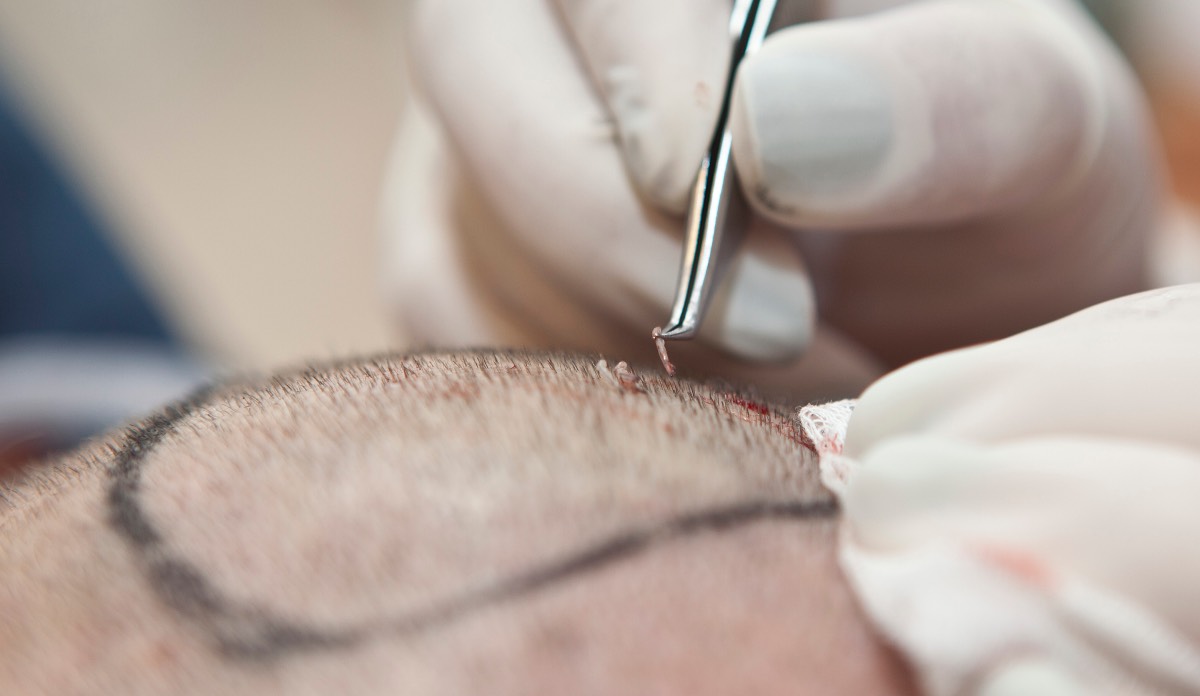
Hair transplantation has become an increasingly popular solution for individuals experiencing hair loss. While much attention is given to surgical techniques and final results, anesthesia care is just as important, ensuring that patients remain comfortable, pain-free, and safe throughout the procedure. Understanding how anesthesia works in hair transplant surgery can help reduce anxiety and improve overall patient confidence.
Hair transplant procedures, such as follicular unit extraction (FUE) and follicular unit transplantation (FUT), are typically performed under local anesthesia 1,2. This means only the scalp is numbed, allowing the patient to stay awake during the surgery. Local anesthesia is preferred because it minimizes risks and monitoring requirements while still providing effective pain control.
The anesthesia process usually involves injecting a local anesthetic such as lidocaine into the scalp. It is often combined with epinephrine, which reduces bleeding and helps the anesthetic last longer. To make the injections more comfortable, surgeons may apply a topical numbing cream or use cooling devices beforehand. These processes tend to help reduce the discomfort typically associated with needle injections 3,4.
Hair transplant procedures can last several hours, so patient comfort is essential. In addition to local anesthesia, some patients may receive mild sedatives or anti-anxiety medication to help them remain calm and relaxed without losing consciousness. Clinics often provide a comfortable environment where patients can listen to music, watch movies, or take short breaks during the procedure.
Even though hair transplantation is minimally invasive, proper monitoring is crucial. Medical staff continuously check vital signs such as heart rate and blood pressure to ensure patient safety. A thorough medical evaluation is conducted before the procedure to identify any allergies or health conditions that could affect anesthesia use 5,6.
Following the procedure, the effects of anesthesia gradually wear off. Patients may feel mild discomfort or tightness in the scalp, which can be managed with prescribed or over-the-counter pain medications. Following aftercare instructions is important to promote healing and avoid complications. Most patients recover quickly and can resume normal activities within a few days 2,7.
Modern advancements have improved anesthesia care in hair transplantation and other dermatological procedures. Techniques such as vibration anesthesia, buffered anesthetic solutions, and needle-free systems have made the process more comfortable. These innovations reduce pain during injections and enhance the overall patient experience 8–10.
Anesthesia care is a vital part of hair transplant procedures. It ensures comfort, safety, and a positive experience for patients undergoing treatment. With proper techniques, careful monitoring, and ongoing advancements, anesthesia continues to support successful outcomes and high levels of patient satisfaction.
References
1. FUE Hair Transplant: What to Expect, Cost, Pictures, and More. Healthline https://www.healthline.com/health/cosmetic-surgery/everything-to-know-about-a-fue-hair-transplant (2020).
2. Hair transplant. nhs.uk https://www.nhs.uk/tests-and-treatments/cosmetic-procedures/cosmetic-surgery/hair-transplant/ (2023).
3. Calonge, W. M. & Louie, D. Anesthesia in Hair Transplantation. in Alopecia (IntechOpen, 2018). DOI:10.5772/intechopen.78352.
4. Nusbaum, B. P. Techniques to reduce pain associated with hair transplantation: optimizing anesthesia and analgesia. Am J Clin Dermatol 5, 9–15 (2004). DOI: 10.2165/00128071-200405010-00003
5. Beyaz, S. et al. Evaluation of skin test indications for general anesthetics in real life: a prospective cohort study. Braz J Anesthesiol 72, 350–358 (2021). DOI: 10.1016/j.bjane.2021.07.005
6. Savic, L., Stannard, N. & Farooque, S. Allergy and anaesthesia: managing the risk. BJA Education 20, 298–304 (2020). DOI: 10.1016/j.bjae.2020.04.005
7. Goldin, J., Zito, P. M. & Raggio, B. S. Hair Transplantation. in StatPearls (StatPearls Publishing, Treasure Island (FL), 2026).
8. Comite, S. L., Rahaman, S. & Malkowiak, M. Vibration Anesthesia During Invasive Procedures: A Meta-analysis. J Clin Aesthet Dermatol 17, 29–40 (2024).
9. Jaju, K. K., Nasim, I., Choudhari, S. & Sandeep A, H. Comparative Evaluation of the Anesthetic Efficacy of Needle-Free Anesthesia and Conventional Anesthesia in Patients With Symptomatic Irreversible Pulpitis: A Randomized Clinical Trial. Cureus 16, e54661. DOI: 10.7759/cureus.54661
10. Bhatnagar, A. & Gupta, D. Effectiveness of buffered local anesthetic solutions in pediatric nerve blocks and infiltration anesthesia: a systematic review and meta-analysis. J Dent Anesth Pain Med 26, 19–28 (2026). DOI: 10.17245/jdapm.2026.26.1.19