For Informational Purposes Only
The articles below are provided for general educational purposes only and are not a substitute for professional medical advice. Please read our full medical disclaimer before relying on any information found here.
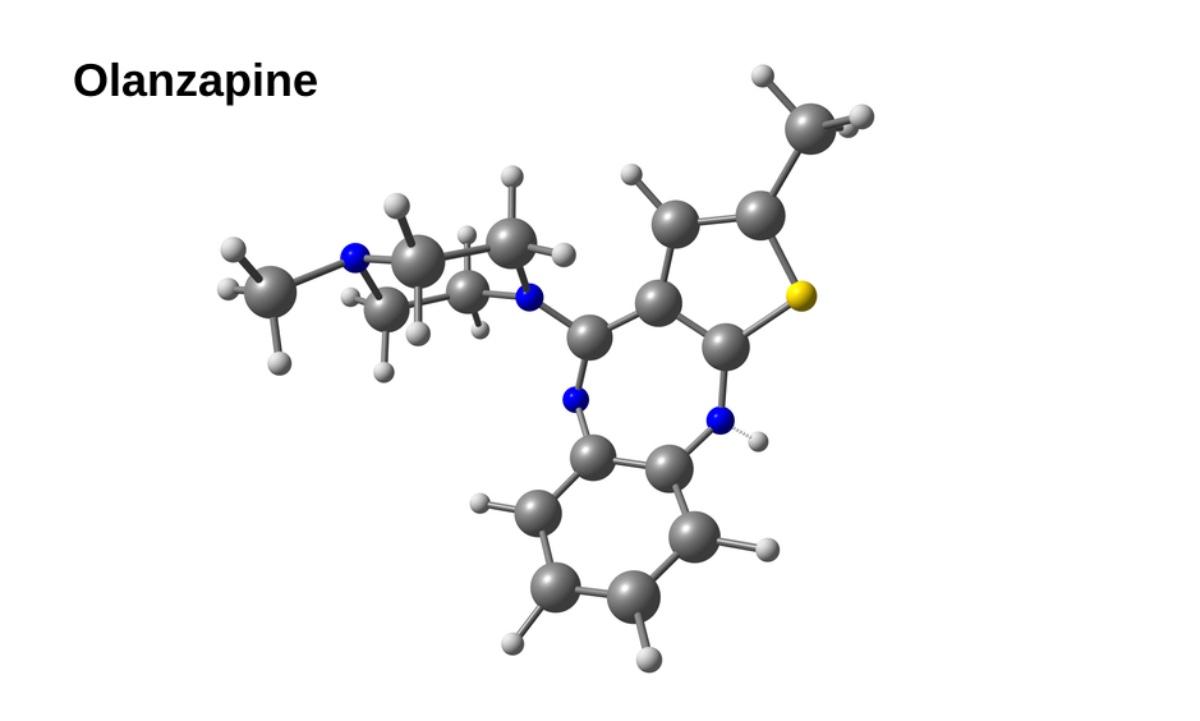
Applications of Olanzapine to the OR
Postoperative nausea and vomiting remains one of the most common complications after general anesthesia. Olanzapine, an atypical antipsychotic, has gained interest as an antiemetic adjunct in the OR.
Read More →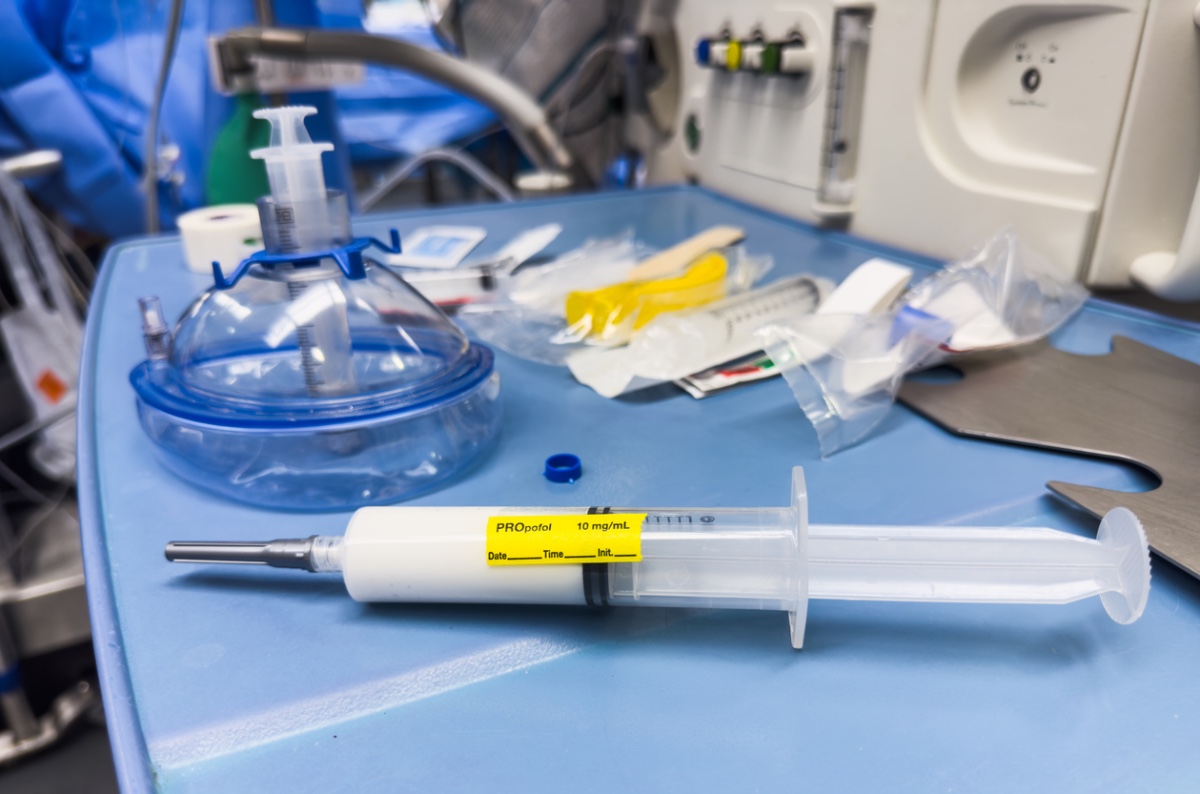
Propofol Infusion Syndrome
Propofol is one of the most widely used intravenous anesthetic agents due to its favorable pharmacokinetic profile, rapid onset of action, and…
Read More →
Evidence-Based Management of Cardiovascular Risk in the OR
Evidence-based management of cardiovascular risk in the operating room (OR) is a critical component of protecting patient safety and improving surgica
Read More →
Research and Innovation in Pain Measurement Approaches
Pain is a complex, multidimensional experience that is shaped by biological, psychological, and social factors. This perspective was formally reflecte
Read More →
Anesthesia Care for Hair Transplant
Hair transplantation has become an increasingly popular solution for individuals experiencing hair loss. While much attention is given to surgical tec
Read More →
Non-Pharmacologic Interventions for Post-operative Nausea and Vomiting (PONV)
Post-operative nausea and vomiting (PONV) is a common problem affecting about 30% of patients. It is a significant cause of patient dissatisfaction an
Read More →
Medical Professionals’ Perspectives on AI
In hospitals, clinics, and research centers around the world, artificial intelligence (AI) has shifted from a distant concept to a daily presence. Wit
Read More →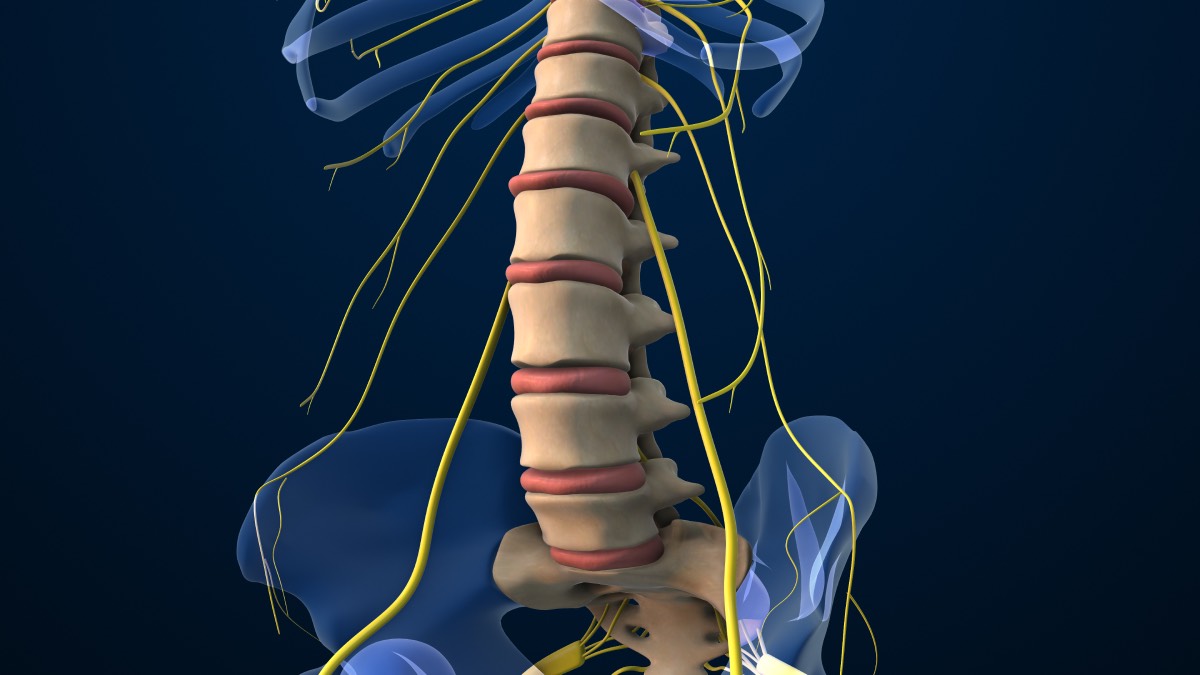
Vertebrae Associated with Lower Body Sensory Nerves
Sensory innervation of the lower body depends on a highly organized relationship between spinal vertebrae, spinal nerves, and dermatomes. Although the
Read More →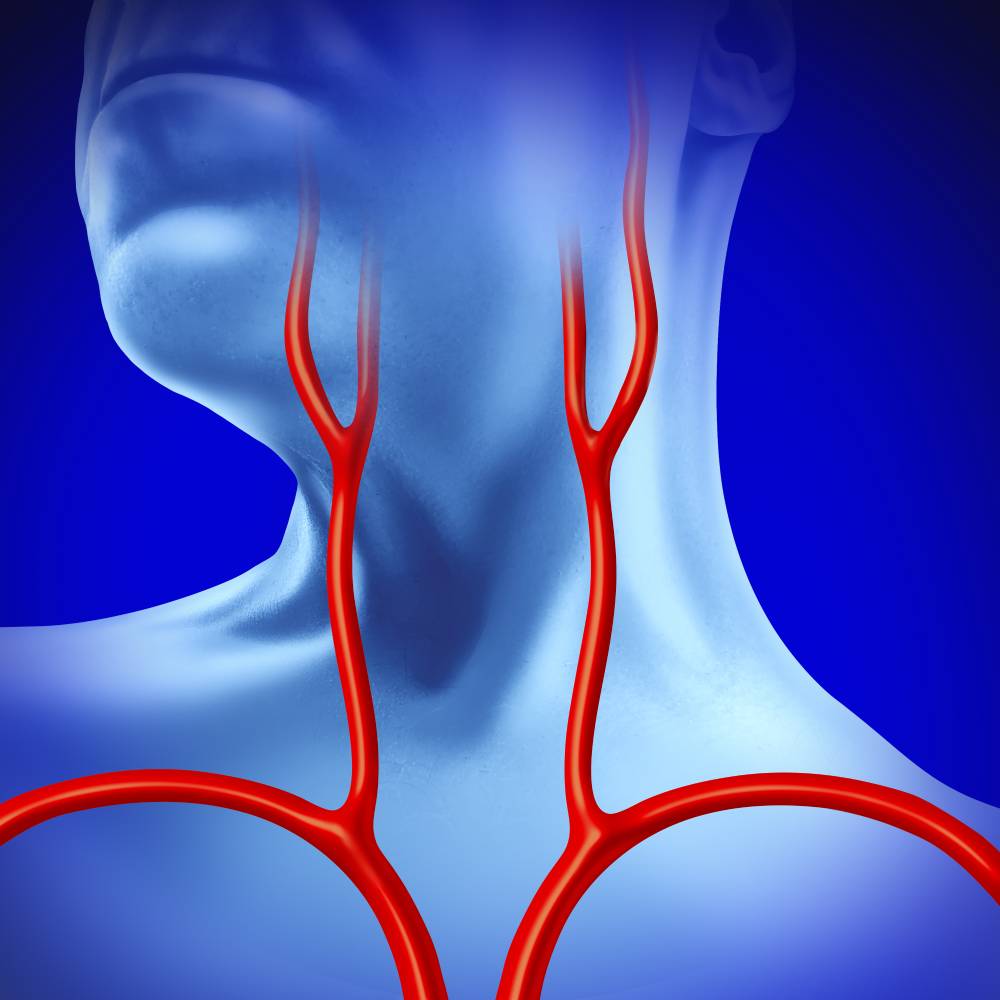
Cerebral Perfusion in the Beach Chair Position
The beach chair position is frequently used during shoulder and upper extremity surgeries. In this position, the patient’s torso is elevated approxima
Read More →
Anesthesia for Surgery in the Lateral Position
The lateral position is necessary for certain thoracic, renal, hip, and neurosurgical procedures. While this positioning allows surgeons optimal acces
Read More →