Applications of Olanzapine to the OR
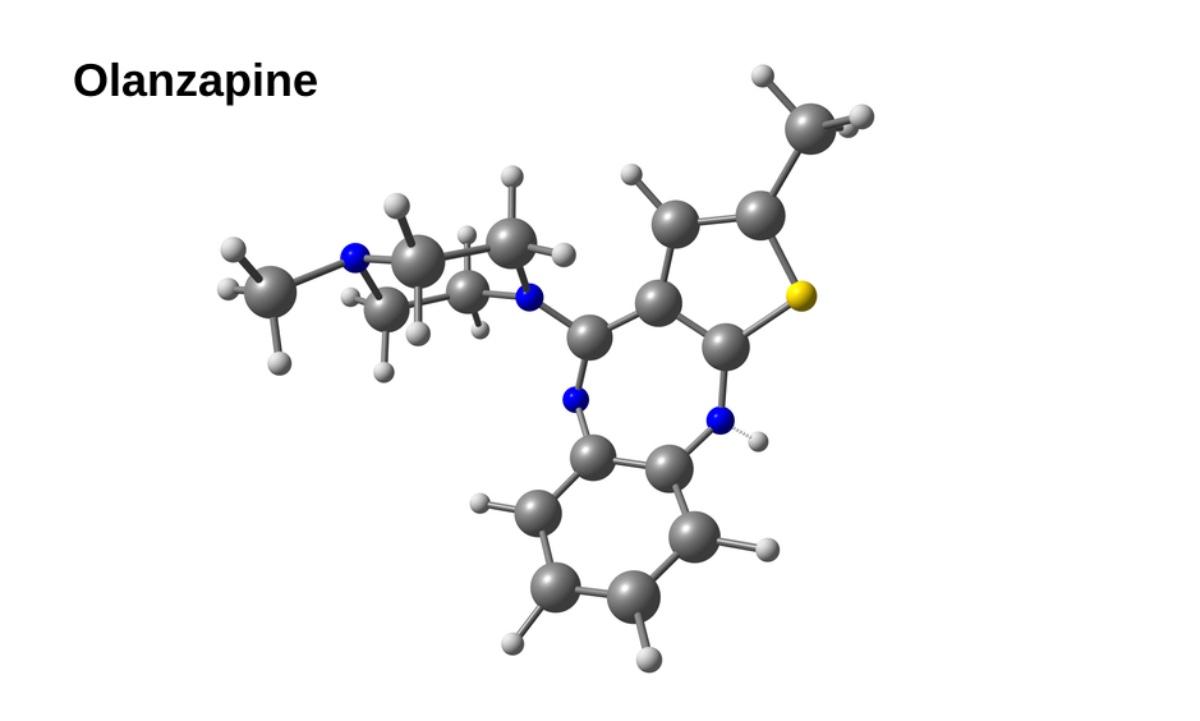
Disclaimer: This article is intended solely for informational and educational purposes only. It does not constitute medical advice.
Postoperative nausea and vomiting (PONV) remains one of the most common complications after general anesthesia and continues to be a significant source of patient discomfort and delayed recovery. Olanzapine, an atypical antipsychotic, has gained interest in the OR setting because it provides antiemetic activity that complements commonly used medications, such as dexamethasone and ondansetron. Rather than replacing these medications, olanzapine is used as an adjunct in patients at increased risk of PONV, particularly those with multiple established risk factors and those undergoing procedures traditionally associated with higher rates of PONV, such as laparoscopic and middle ear surgery.1
Over the past decade, several randomized trials have evaluated olanzapine for PONV prophylaxis. In one study, all patients received standard prophylaxis with dexamethasone and ondansetron before being randomized to receive either olanzapine or placebo. Patients who received olanzapine experienced significantly less postoperative nausea and vomiting and required fewer rescue antiemetics than those who received placebo, demonstrating that olanzapine provides additional benefit even when conventional prophylaxis is already being used.2 Olanzapine also has a relatively long elimination half-life, allowing antiemetic effects to extend into the period when delayed PONV commonly develops. More recent studies have suggested that a 5-mg dose provides efficacy comparable to 10 mg while reducing postoperative sedation, making the lower dose an attractive option for many patients, particularly those undergoing ambulatory surgery or enhanced recovery pathways.3
The primary limitation of olanzapine’s applications in the OR setting is sedation. Although mild drowsiness before surgery may not be problematic, excessive sedation after surgery can delay recovery, prolong discharge, and complicate postoperative assessment, particularly in elderly patients or those receiving opioids and other sedating medications. This concern has contributed to the growing preference for lower-dose regimens. In contrast, the metabolic adverse effects associated with long-term olanzapine therapy, including weight gain, dyslipidemia, and impaired glucose metabolism, are not expected after a single perioperative dose and therefore have little relevance in the OR.2
Another important consideration is the potential for QT interval prolongation. Excessive prolongation of the QT interval increases the risk of torsades de pointes, an uncommon but potentially life-threatening ventricular arrhythmia that can progress to ventricular fibrillation. Although olanzapine has a lower propensity for QT prolongation than many other antipsychotic medications, caution is still warranted in susceptible patients. The risk is greatest in individuals with congenital long QT syndrome, significant electrolyte abnormalities such as hypokalemia or hypomagnesemia, structural heart disease, or those receiving multiple QT-prolonging medications. This is particularly relevant in the perioperative setting, where medications such as ondansetron and droperidol may also contribute to QT prolongation. Identifying these risk factors before surgery and correcting reversible abnormalities allows clinicians to minimize cardiac risk while preserving the benefits of multimodal antiemetic prophylaxis.4
Olanzapine is an effective adjunct for the prevention of PONV in appropriately selected surgical patients. When added to standard prophylaxis with dexamethasone and ondansetron, it reduces postoperative nausea, vomiting, and rescue antiemetic requirements without substantially increasing adverse effects beyond dose-dependent sedation. A single preoperative dose of 5 mg appears to provide the most favorable balance between efficacy and tolerability for many patients. As experience with perioperative olanzapine continues to grow, it will likely become an important option for patients at elevated risk of PONV, provided clinicians consider both its benefits and its potential effects on sedation and cardiac conduction.
References
- Gan TJ, Belani KG, Bergese S, et al. Fourth Consensus Guidelines for the Management of Postoperative Nausea and Vomiting. Anesth Analg. 2020;131(2):411-448. doi:10.1213/ANE.0000000000004833
- Hyman JB, Park C, Lin HM, et al. Olanzapine for the Prevention of Postdischarge Nausea and Vomiting after Ambulatory Surgery: A Randomized Controlled Trial. Anesthesiology. 2020;132(6):1419-1428. doi:10.1097/ALN.0000000000003286
- Deb B, Saini K, Arora S, Kumar S, Soni SL, Saini M. Olanzapine versus standard antiemetic prophylaxis for the prevention of post-discharge nausea and vomiting after propofol-based general anaesthesia: A randomized controlled trial. Indian J Anaesth. 2024;68(6):566-571
- Aroke EN, Hicks TL. Perioperative implications of psychiatric medications. Anesthesiol Clin. 2023;41(2):239-255.